
10 Best Indie Romance & Thriller Novels You Haven't Read Yet
By Mark Reed · Read & discuss on Orastories
Something's shifted in how people find their next read. TikTok's #BookTok, niche Discord servers, and reader-run newsletters have quietly become bigger tastemakers than any bestseller table at a chain bookstore, and a lot of what's getting passed around isn't coming from the Big Five at all. If you've been hunting for the best indie novels lately, you've probably noticed the same thing: some of the sharpest, most addictive plotting right now is happening outside traditional publishing, from writers who skipped the query-letter grind and put their books directly in front of readers. Indie fiction isn't a consolation prize anymore. It's where a lot of the most interesting risks are happening first.
What "Indie" Actually Means Today
"Indie" gets used pretty loosely, and it's worth untangling before we go further. At one end you've got fully self-published authors, writers who handle (or hire out) their own editing, cover design, and formatting, then publish directly through platforms like Amazon KDP or free reading sites. At the other end are small presses: tiny teams, sometimes just two or three people, acquiring and editing manuscripts the way a Big Five imprint would, just at a fraction of the scale and budget. In between there's everything from hybrid publishing deals to author collectives to books that started as serialized fiction on a platform before getting a proper release.
None of that tells you anything about quality on its own. A self-published legal thriller can be tighter and better-paced than something that went through eighteen months of traditional editorial review, and a small-press romance can have cover art that rivals anything from a major imprint. What "indie" actually signals is control: the author, or a small team around them, made the call on what the book looks like and when it comes out, without a corporate acquisitions committee deciding it wasn't commercial enough first. That's exactly why so many underrated indie authors are worth seeking out on purpose, instead of waiting for an algorithm to surface them for you.
Lust & Lies: The Limond Affair
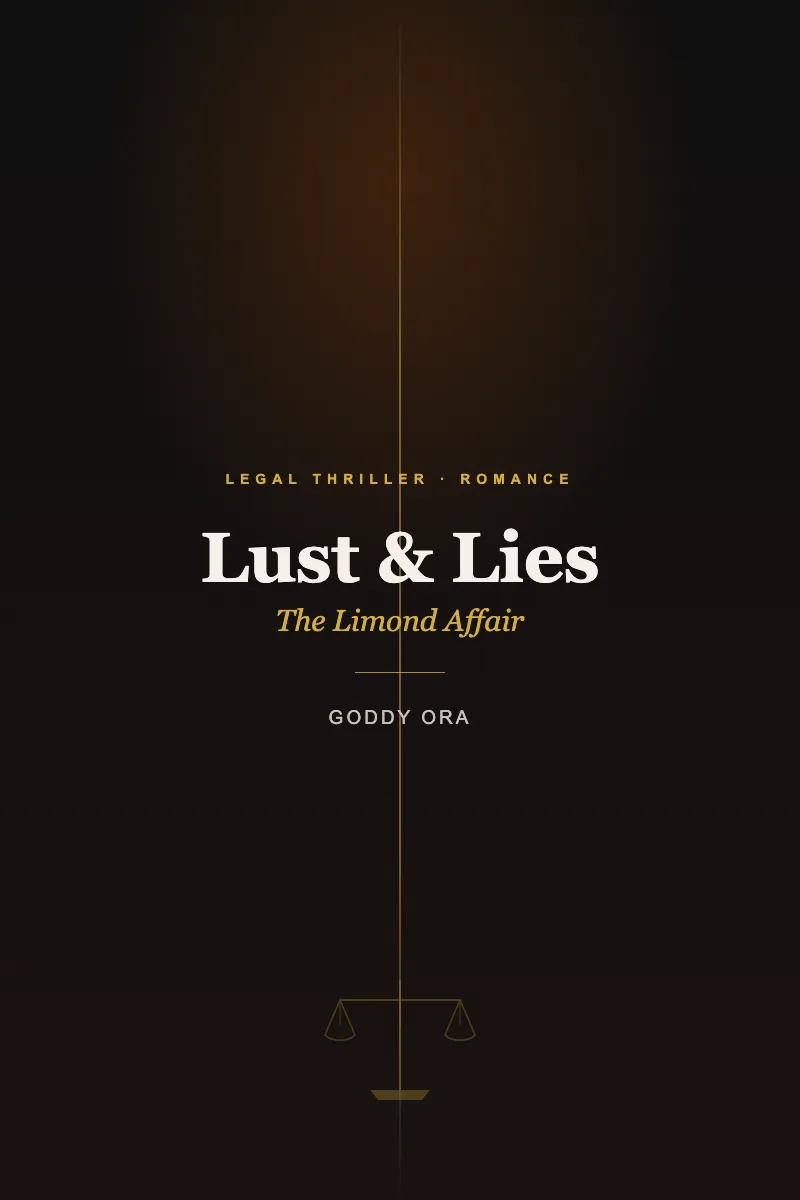
If you want proof that indie romance can go toe-to-toe with a courtroom thriller, start here. Goddy Ora's Lust & Lies: The Limond Affair follows Park Limond, a top-tier defense attorney who's spent his career getting other people out of impossible situations, until he's the one accused of murdering his mistress, Assistant District Attorney Bridgette Leah. His wife Caroline is left holding a marriage that was already cracking, and now has to decide whether to fight for it or walk away from a man who might genuinely be guilty.
What makes this one worth your time isn't just the murder-accusation hook, it's that the book refuses to let Park off easy just because he's the protagonist. The plot tangles a powerful family conspiracy into the case, so every answer Caroline and Park dig up creates two new questions. It's messy in the way real betrayal is messy, and that's rarer than it should be in a genre that often wants its leads to be more sympathetic than believable. Read Lust & Lies: The Limond Affair.
The Avery Nelson Legal Series: Book One — The King Lucas Murder

M.K. Reed's series opener is the kind of legal thriller that hooks you with a case file and doesn't let go. Defense attorney Avery Nelson takes on the murder of King Lucas Morales expecting a straightforward, high-profile case, the kind that builds a reputation. Instead, the deeper she investigates, the more she realizes almost nobody involved is telling her the full truth.
That slow unraveling is the engine of the book. Hidden motives surface, secrets that should've stayed buried don't, and betrayals land from people Avery trusted early on. Reed keeps raising the stakes past "solve the case" into "survive the case." By the back half, Avery isn't just racing a courtroom clock, she's racing a killer who has every reason to make sure the truth never reaches a jury. If you liked the moral murkiness of Lust & Lies, this scratches a similar itch from the prosecution side of the aisle, and since it's the first book in a series, there's more waiting if you get hooked. Read The King Lucas Murder.
Vivian Parker: A Mother's Verdict
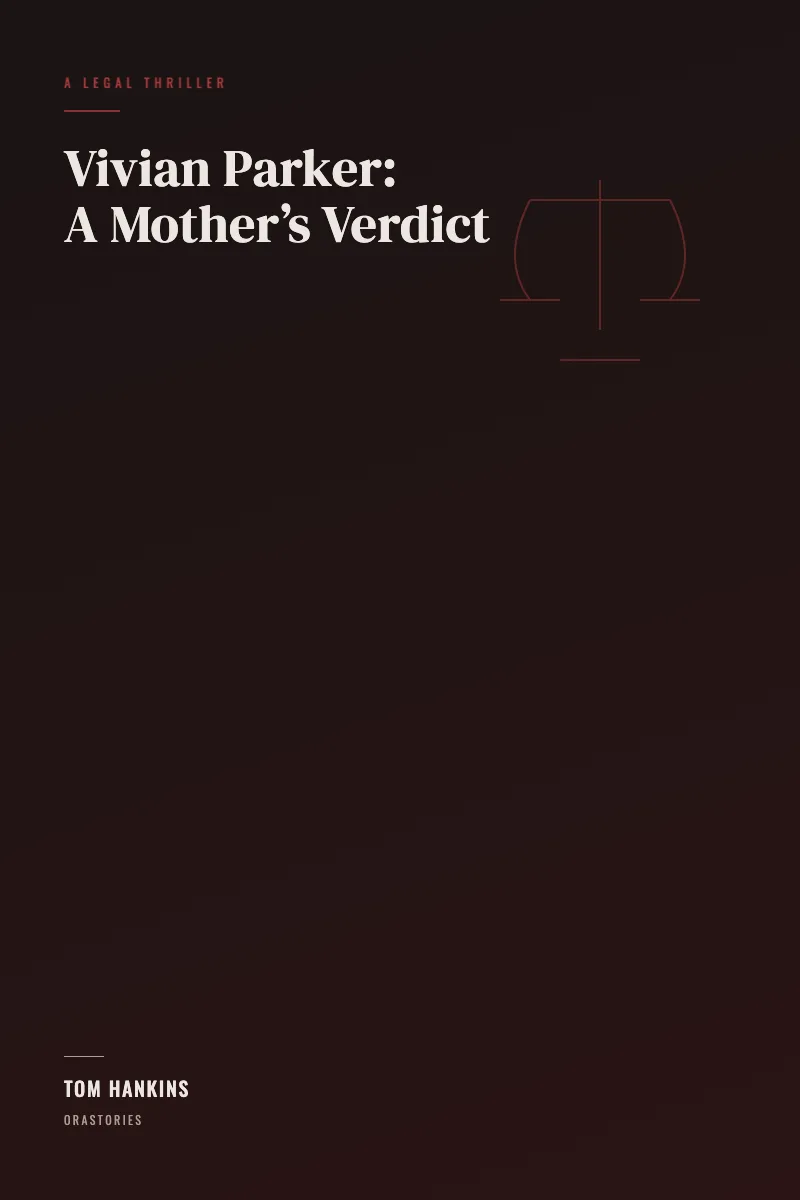
Tom Hankins writes the kind of thriller where the personal stakes hit before the professional ones do. Vivian Parker is a defense attorney with a controlled, orderly life, until a shooting at the hospital where her husband works tears through that order completely. She takes the case expecting to do her job. What she finds instead is faked evidence and a client whose confession doesn't add up, no matter how many times she reads it.
The title isn't just a courtroom pun. The "verdict" Vivian's actually working toward isn't the one a jury delivers. As the conspiracy she uncovers widens to threaten her own family, she's forced into a choice a lot of legal thrillers set up but few actually commit to: justice, or the people she loves. Hankins doesn't let her have both easily, and that refusal is what keeps the back half of the book tense instead of predictable. It's a sharp pick if you want your legal thriller with genuine emotional weight attached to the case. Read Vivian Parker: A Mother's Verdict.
Stolen From Under the Stars
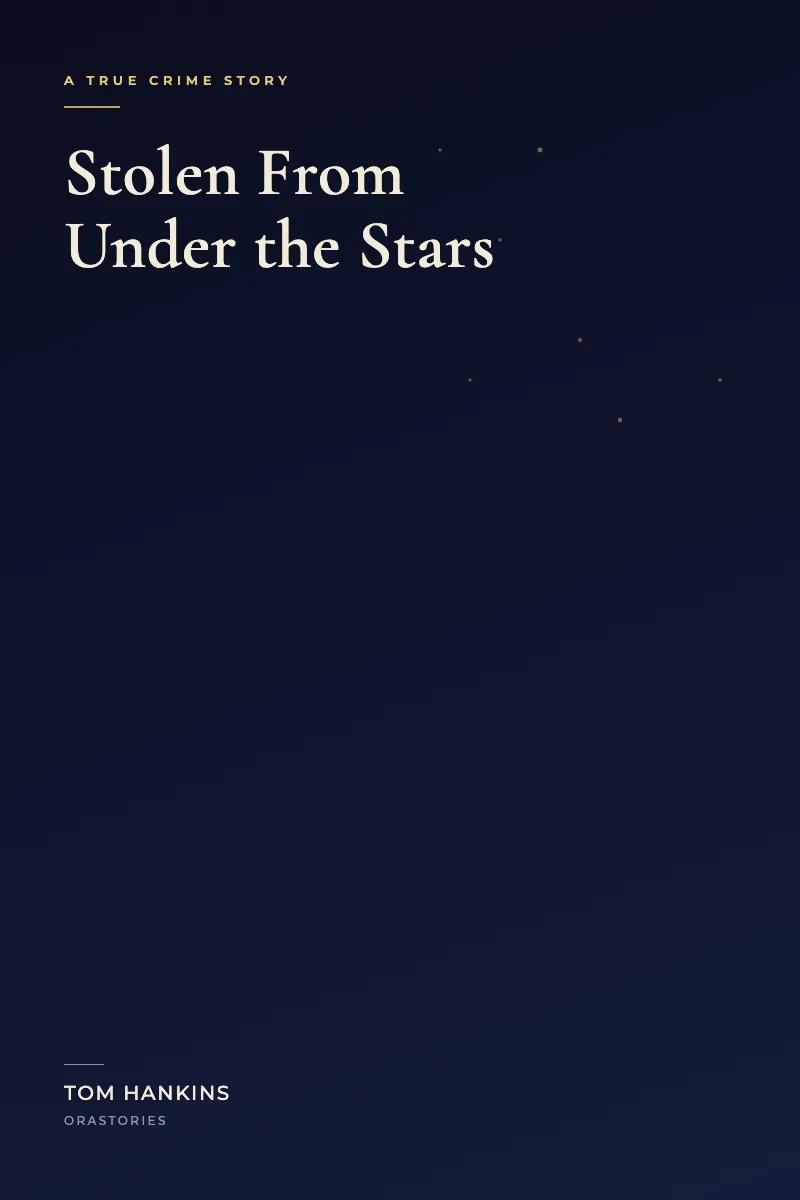
This one's a departure from the courtroom setting of the other picks, and that's exactly why it earns a spot on this list. Also from Tom Hankins, Stolen From Under the Stars is based on true events, following parents Emma and Luke through the nightmare of their four-year-old daughter Cassie vanishing during a family camping trip. There's no attorney working an angle here, just a nationwide search, weeks of not knowing, and the specific kind of dread that only shows up in stories grounded in something real.
What sets it apart from a lot of true-crime-adjacent thrillers is that it doesn't linger in the horror for its own sake. It tracks the search itself (the false leads, the exhaustion, the moments hope nearly runs out) and builds toward the shocking truth behind Cassie's disappearance and the eventual miracle that brought her home. If you want a thriller that trades legal maneuvering for raw, real-feeling stakes, this is the one to pick up next. Read Stolen From Under the Stars.
Where Else Indie Gems Hide
Four books is a good start, but the indie world is enormous, and no single algorithm surfaces all of it. A few places are worth building into your regular rotation if you want to keep finding books like these.
Amazon's Kindle store has its own self-published ecosystem. Romance alone makes up a huge share of self-published Kindle titles, with mystery and thriller close behind, so the genre categories and "customers also bought" chains inside the Kindle store function as a real discovery tool, not just a sales chart. Goodreads runs the same idea community-style: its reader-voted Indie/Self-Published Books Listopia keeps growing, and its self-published tag pages turn up titles that never crack a bestseller list but have loyal, vocal fanbases. And r/indieauthors on Reddit, a community of 50,000-plus members, is less a "best of" list and more an unfiltered room where authors and readers talk shop, which makes it one of the more honest places to find out what's actually landing with people.
That mix has turned up some real success stories worth knowing, and they're not all the same size. Amanda Hocking self-published a run of paranormal romance novels starting in 2010 and had sold more than a million copies before any publisher got involved, proof that an audience can build the case for a book before the industry catches up. On the thriller side, Mark Dawson built his John Milton series almost entirely through self-publishing and has sold millions of copies without a traditional deal behind it. And on a much smaller scale, self-published romance author Lily Seabrooke has quietly built a genuine readership across dozens of sapphic romance titles, with thousands of reader ratings, without ever needing a bestseller-list moment to prove she's worth reading. That range, from a name you may have already heard to one you probably haven't, is really the whole point: great indie fiction doesn't announce itself the same way twice.
Why Free Platforms Matter for Indie Discovery
Here's the practical problem with discovering indie fiction: you usually can't tell from a cover and a two-line blurb whether a book is going to work for you, and paying a few dollars a pop to find out gets expensive fast, especially when you're trying four or five new authors instead of one you already trust. That's the real argument for free reading platforms. They take the financial risk out of sampling. You can start an indie legal thriller you know nothing about, and if the first chapter doesn't grab you, you've lost ten minutes, not a purchase.
That low-stakes sampling is exactly how word-of-mouth builds for indie authors in the first place. Readers try something on a whim, tell a friend, and the audience grows one genuinely earned recommendation at a time instead of through an ad budget. It's a much better match for how indie fiction actually gets discovered than a storefront that assumes you already know what you want before you walk in.
If any of these got their hooks in you, don't stop at four. Browse the full catalog and keep pulling that thread. There's a lot more where this came from, and it's free to start reading right now.